

The history of Eagle Grove, Iowa, tells about how a small place became a strong community. From a simple railroad stop, it turned into a friendly town full of stories, people, and traditions. Each decade brought change and new hopes for this part of Wright County.
Beginnings of Eagle Grove
In the middle of the 19th century, the land around present–day Eagle Grove was open prairie. Few families lived here, mostly farmers. Everything changed when the Chicago and North Western Railway decided to build a line through this area in the 1880s.
The first settlers came because of the railroad jobs. They built small wooden houses and stores near the tracks. The name “Eagle Grove” came from an early story about an eagle’s nest found in a nearby grove of trees. This image stayed and became part of local identity.
By 1881, a post office opened, and the place started to look like a small town. The same year is often taken as the founding year of Eagle Grove. Soon after, hotels, shops, and a school were built to serve workers and families.
The Role of the Railroad
The railroad was the real heart of Eagle Grove for many years. Trains brought goods, people, and news from faraway cities. Many residents worked for the railroad company as engineers, conductors, or mechanics. The depot became a busy point, and nearby streets filled with travelers.
The station also made it possible for farmers to send their crops and livestock to larger markets. Grain elevators and warehouses appeared next to the tracks. Local business grew because transport became easier.
Even when cars became popular, the memory of the railroad times stayed strong. The old depot remains one of the town’s symbols.

Early Growth and Development
Between 1890 and 1920, Eagle Grove expanded quickly. Wooden buildings were replaced with brick structures, and the town got electricity, a water supply, and better roads. Churches and schools appeared in almost every part of town.
The local newspaper started printing around this time, recording daily life and major events. City officials planned parks and public areas, and farmers formed cooperatives to help each other sell their products.
Main signs of growth in early Eagle Grove:
- Building of the downtown commercial block.
- Opening of the first high school.
- Establishment of churches of several faiths.
- Construction of water and power systems.
- Creation of small factories and grain mills.
Life was not always easy. Fires destroyed parts of downtown in the early 1900s, but people rebuilt it. Their effort gave the town a look it still keeps today.
Life in the 20th Century
The 20th century was a time of both problems and progress. Many families had money problems during the Great Depression. But support from the community stayed strong. The New Deal programs helped improve things like roads and parks in the area.
During World War II, young men from Eagle Grove went to fight, and women worked in factories or on farms. The town started to grow again after the war. Veterans returned, houses were built, and schools became larger.
By the 1950s and 1960s, Eagle Grove had movie theaters, diners, and sports fields. The town hosted local parades and summer fairs that became yearly traditions.
Education and Community Spirit
Education has always played a big role in Eagle Grove’s history. The first small schoolhouse turned into a modern high school by the mid–20th century. School teams and bands became a source of pride. Local teachers were well known in the county.
Community spirit showed in volunteer work, church groups, and local charity drives. The citizens often helped neighbors rebuild after storms or fires. Many traditions, like school homecoming or the holiday parade, came from that strong social bond.
Industry and Economy
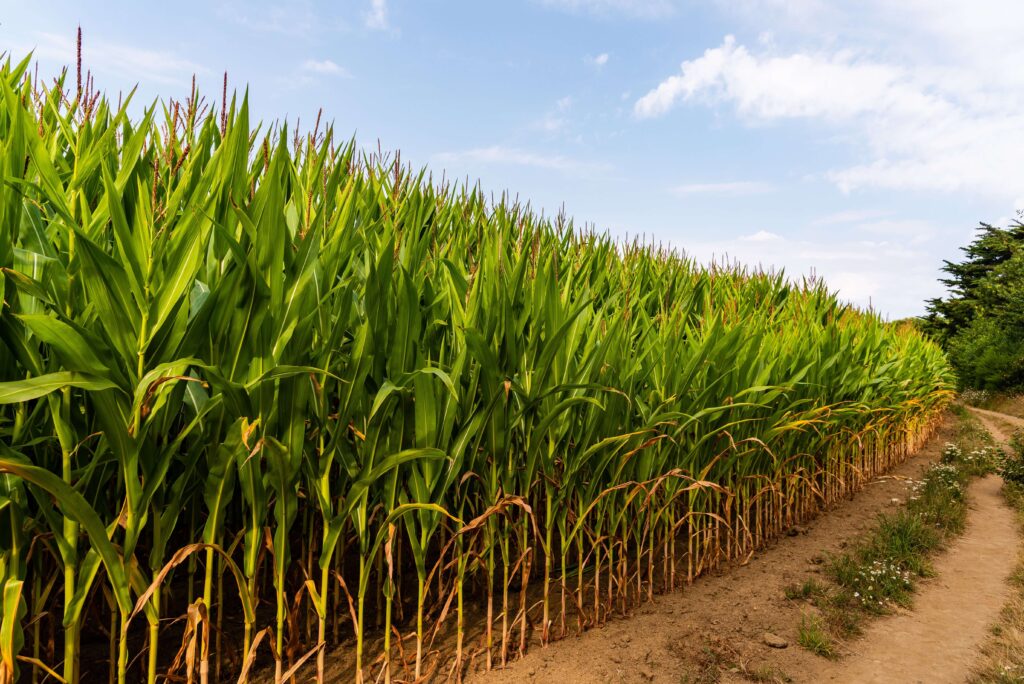
For many years, agriculture was the main support for Eagle Grove’s economy. Corn, soybeans, and livestock farming brought steady income. Local businesses connected to farming–repair shops, feed stores, and grain elevators–gave jobs to residents.
In the later part of the century, new industries arrived. Small manufacturing and service companies started to open. While some people moved to larger cities, many stayed because they liked the small–town life and friendly surroundings.
Main economic areas through history:
- Agriculture and grain trade–the oldest and strongest base.
- Railroad services–until the mid–1900s, the main employer.
- Small manufacturing–light industry after the 1950s.
- Local retail and services–shops, diners, and schools keeping jobs in town.
The balance between agriculture and modern business helped Eagle Grove survive economic changes.
Historical Landmarks and Memory
Some buildings in Eagle Grove still remind us of its long past. The railroad depot, old churches, and early brick houses show how the town grew over the years. Streets in the downtown area keep their old design, with narrow sidewalks and small stores.
The Eagle Grove Historical Museum gathers stories, pictures, and tools from the past. People can see how people lived in the 1800s and early 1900s. Old maps and papers tell the story of the first families who lived in the town.
A lot of the time, local schools have history days where kids learn about their grandparents’ lives. These events help younger people understand how hard it was to build their hometown.
Modern Times and Preservation
Eagle Grove worked hard to keep its traditions while also meeting the needs of the modern world in the late 20th and early 21st centuries. A lot of people in the community worked together to fix up old buildings. The town’s rural roots are honored at fairs and festivals.
The town center still has a mix of old and new things that are interesting. The streets are lined with trees, and a lot of the houses from the early 1900s are still in use. Local leaders work to keep the area’s historic character while raising the standard of living.
Some families have lived here for generations. They share stories about when trains were loud at night or when the first cars appeared on Main Street. For them, history is not only in books but also in daily memories.
Eagle Grove in Wright County History
Eagle Grove is part of Wright County’s larger story. It helped the region grow by serving as a trade point, a school center, and a transportation hub. Neighboring towns often joined together for fairs and sports competitions.
Because of its central position, Eagle Grove became known as a good place to live, learn, and raise families. Even as times changed, the town kept its heart in community values and pride for its past.